
Infrastructure & Land Realities
Water systems, septic, soil, and the physical realities of owning property in the Texas Hill Country. Wells, Edwards Aquifer, limestone geology, aerobic septic maintenance, and regulatory requirements , explained without the marketing gloss.
Published June 29, 2026
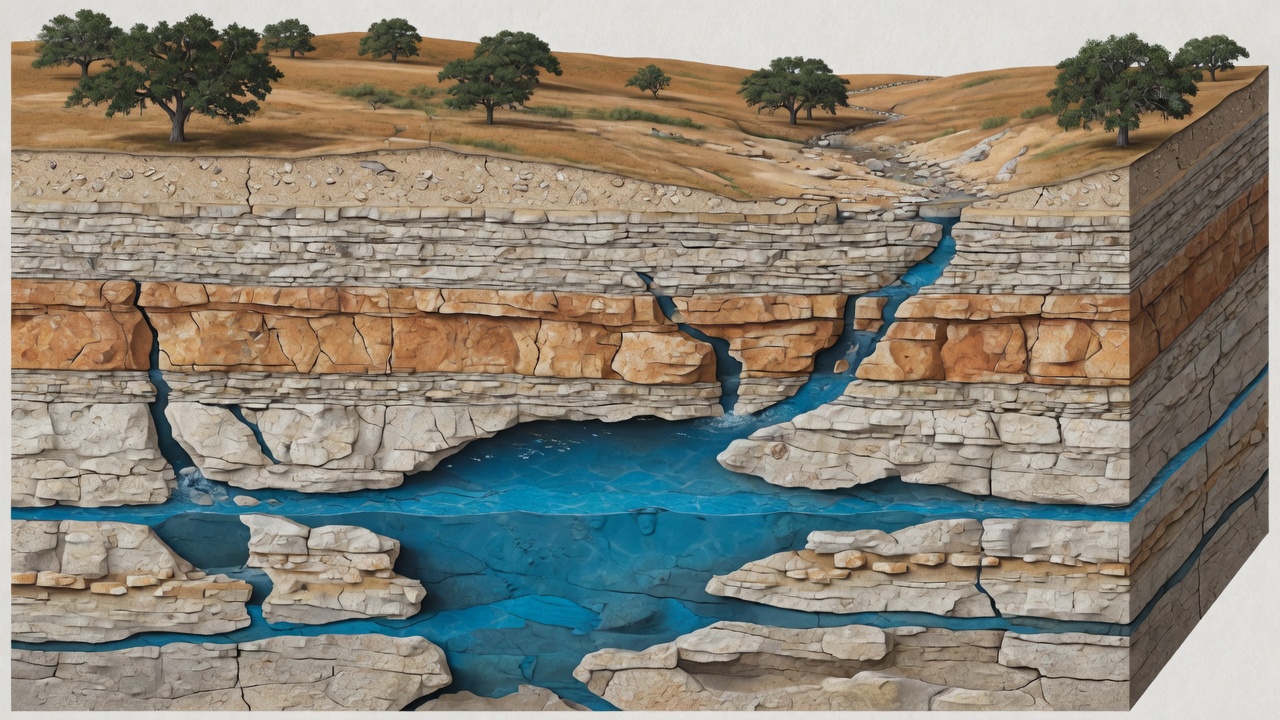
How the Edwards Aquifer Shapes Property Values in the Hill Country
The Edwards Aquifer does not just supply your drinking water , it shapes what you can build, what your well will produce, and what your property is worth over the long term. Here is how aquifer zones, regulatory frameworks, and water availability interact to influence Hill Country land values.
Read Article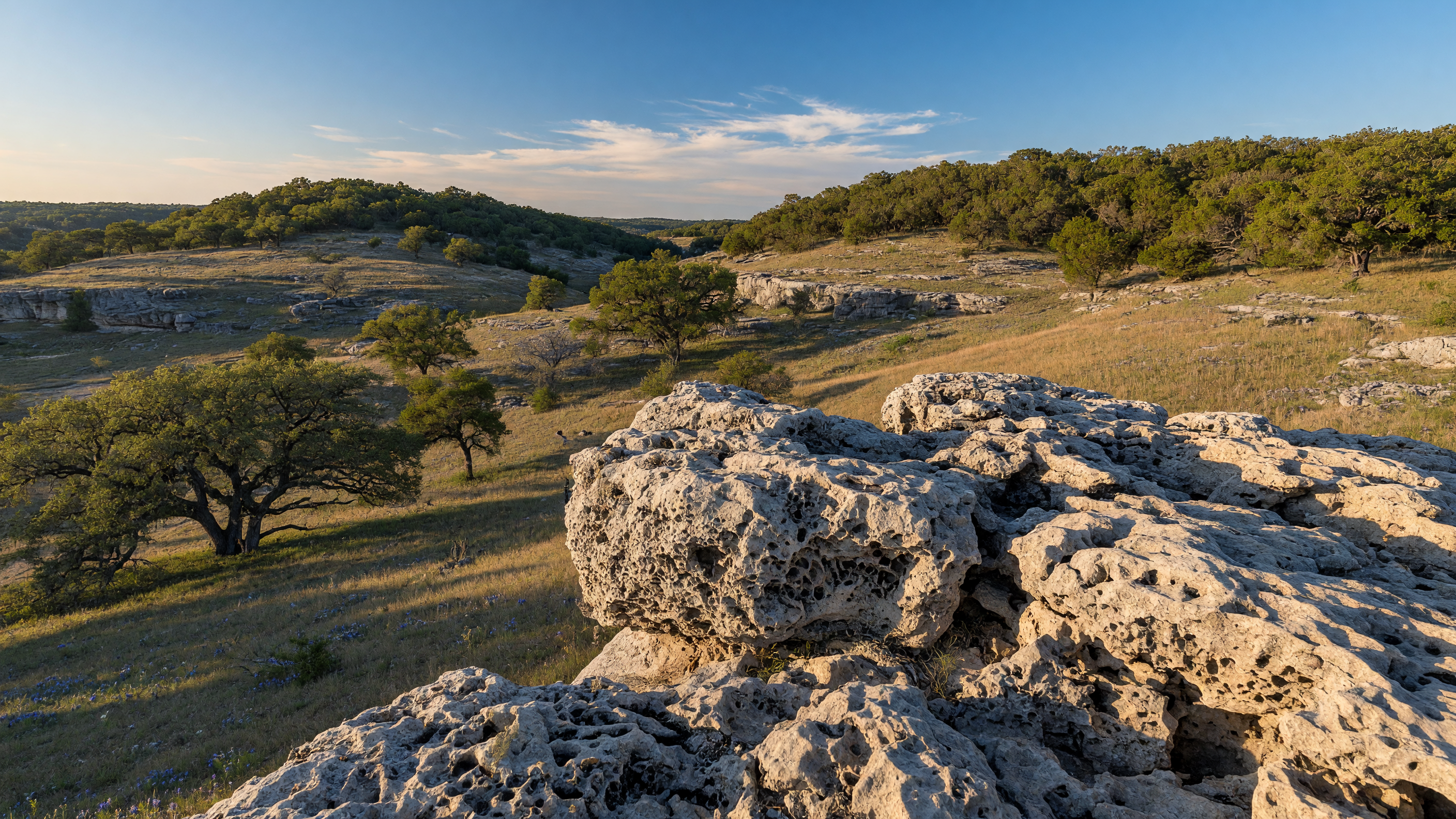
Published June 10, 2026
Edwards Aquifer Fundamentals: What Every Hill Country Buyer Should Know
The Edwards Aquifer is the sole source of drinking water for nearly two million people across Central Texas , and it directly determines what your well can produce. This guide covers the fundamentals every Hill Country buyer needs before going under contract on acreage.
Read Article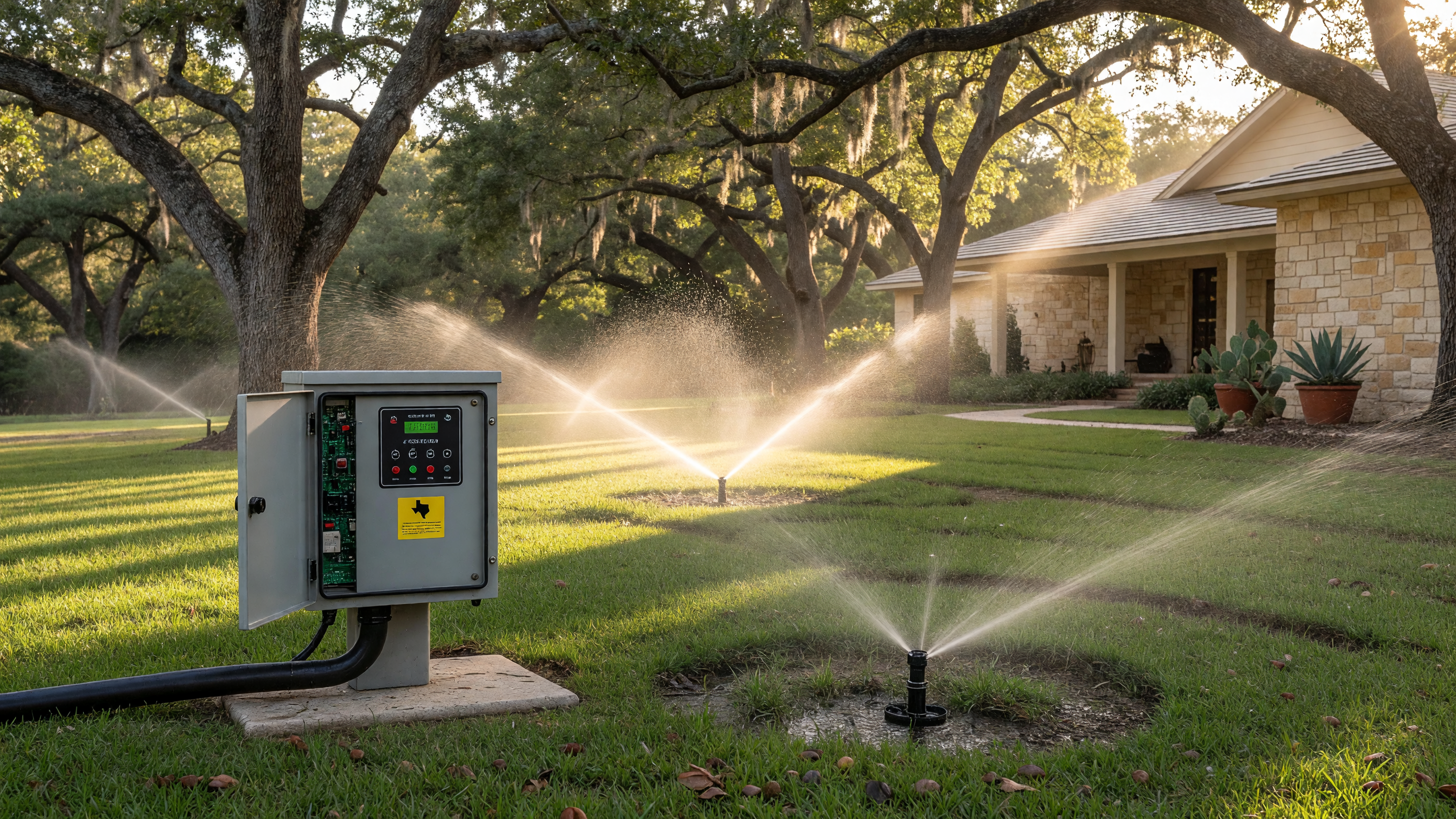
Published June 3, 2026
Aerobic Septic Systems in the Texas Hill Country: A Practical Overview
If the property is outside a municipal sewer district , which describes most acreage in Kendall, Comal, and Bandera Counties , you are buying an aerobic septic system. Here is what that means, what it costs, and what you are committing to maintain.
Read Article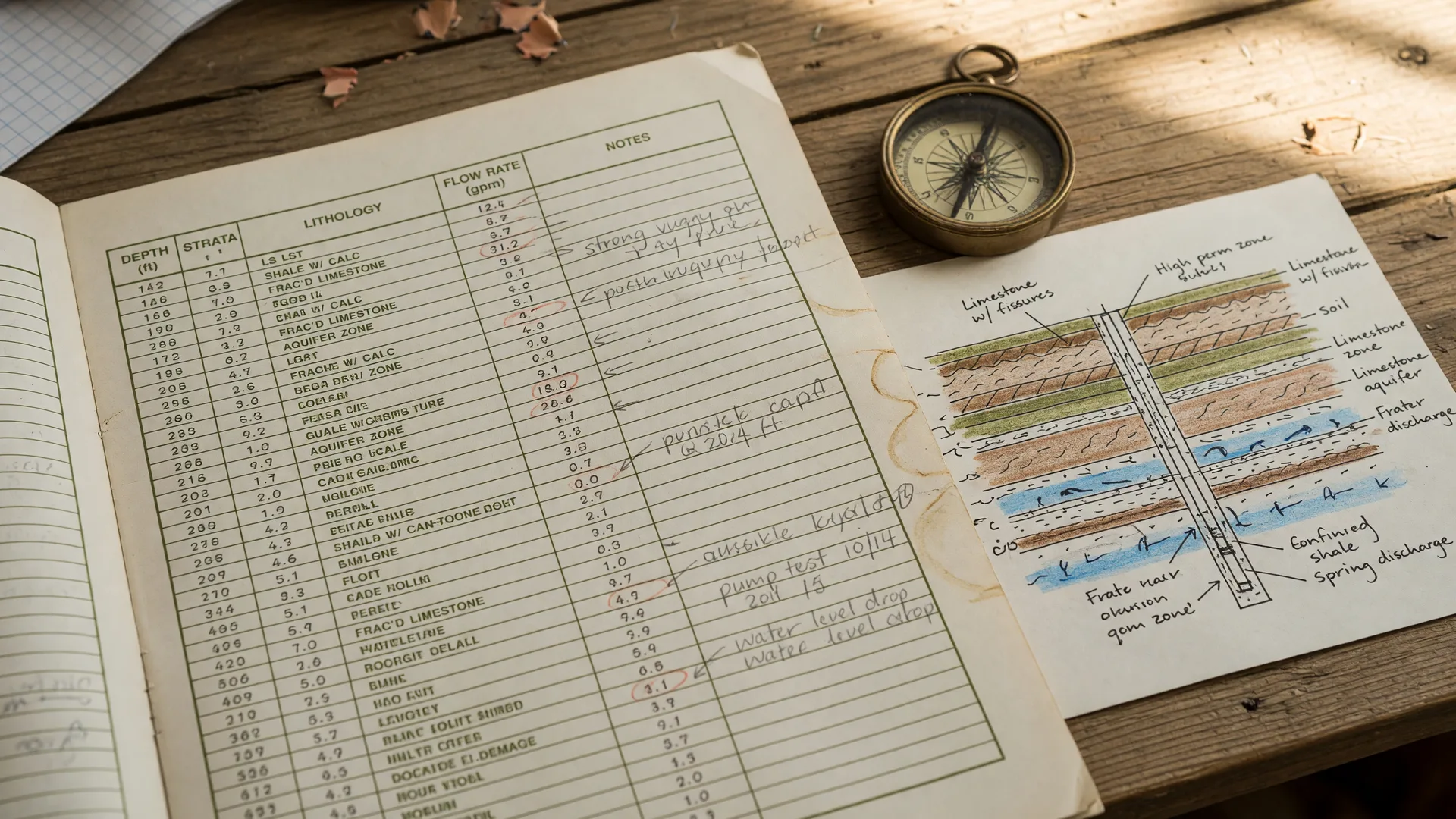
Published July 6, 2026
The Truth About Well Logs: What Every Hill Country Buyer Should Actually Read
A well log is the single most important document hiding in a Hill Country property file , and most buyers never ask for it. These drilling reports reveal what is actually underground: how deep the well goes, what rock formations it passes through, how much water it produces, and whether the well was built to code. Here is how to find, read, and interpret a well log before signing a purchase contract.
Read Article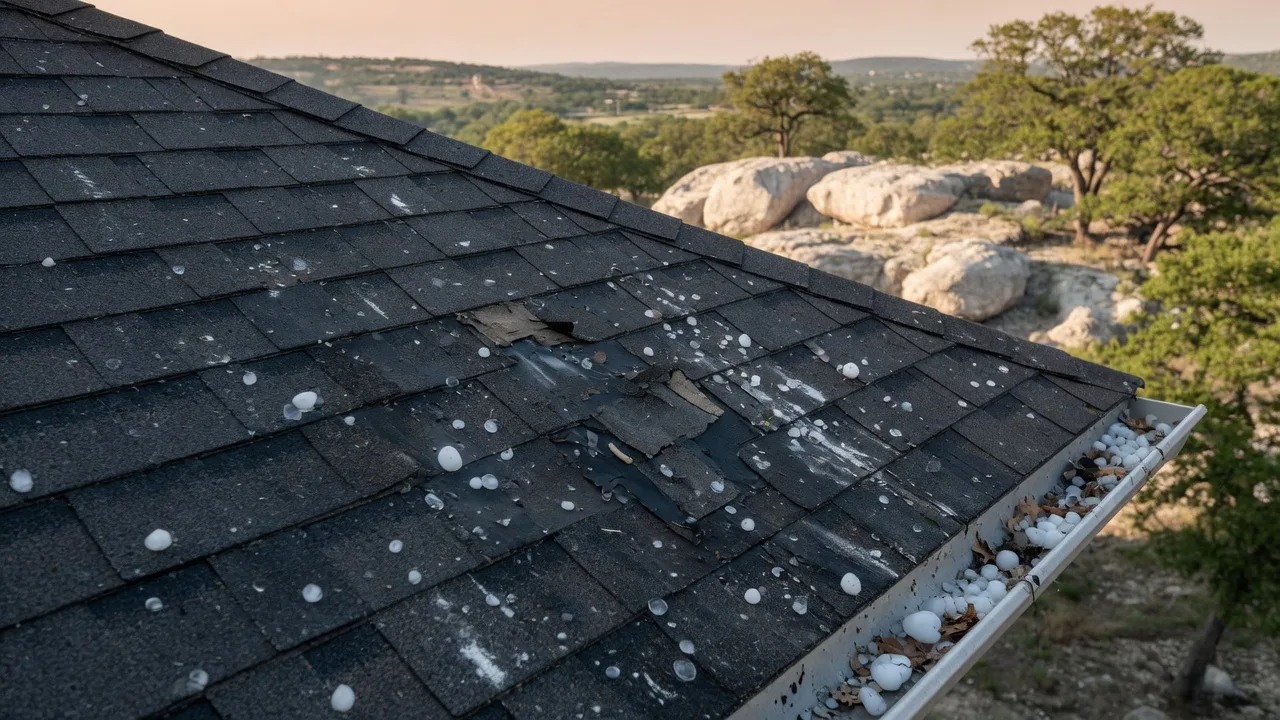
Published July 6, 2026
Property Insurance in the Texas Hill Country: What Buyers and Homeowners Actually Pay
Texas homeowner insurance premiums average $4,085 to $4,585 per year , roughly 60 percent above the national average , and the Hill Country carries additional exposure from hail, flash flooding, and wildfire. Here is how the numbers break down, what standard policies actually cover, and the specific steps that can reduce annual premiums by hundreds or thousands of dollars.
Read Article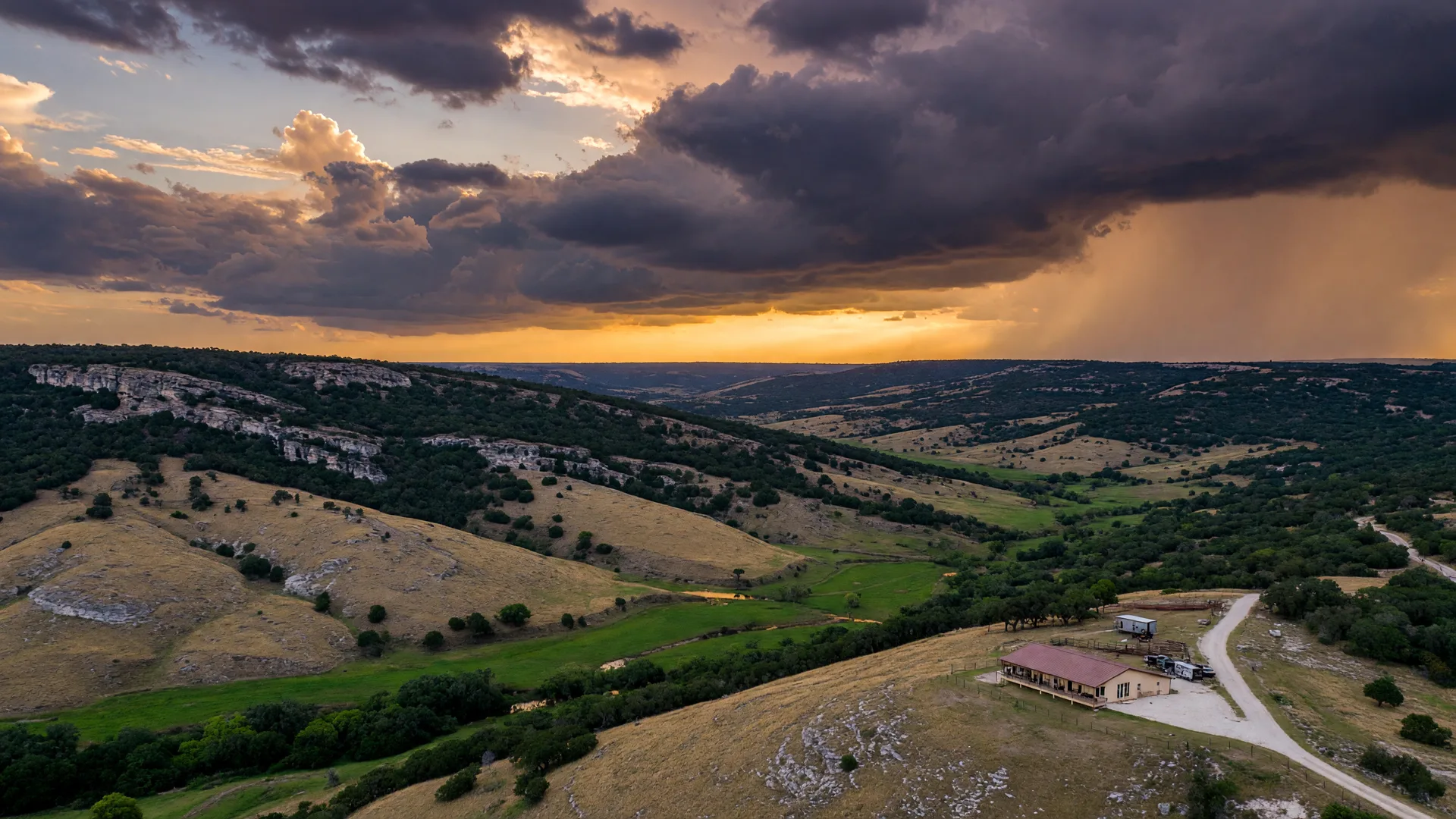
Published July 6, 2026
Weather Resilience and Property Preparedness in the Texas Hill Country
The Texas Hill Country sits at the intersection of three distinct weather hazards , multi-year drought cycles, catastrophic flash flooding, and hard freeze events. Understanding how these risks affect property infrastructure, insurance costs, and long-term value is essential before committing to a purchase. Here is how to evaluate a property's weather resilience before you buy.
Read Article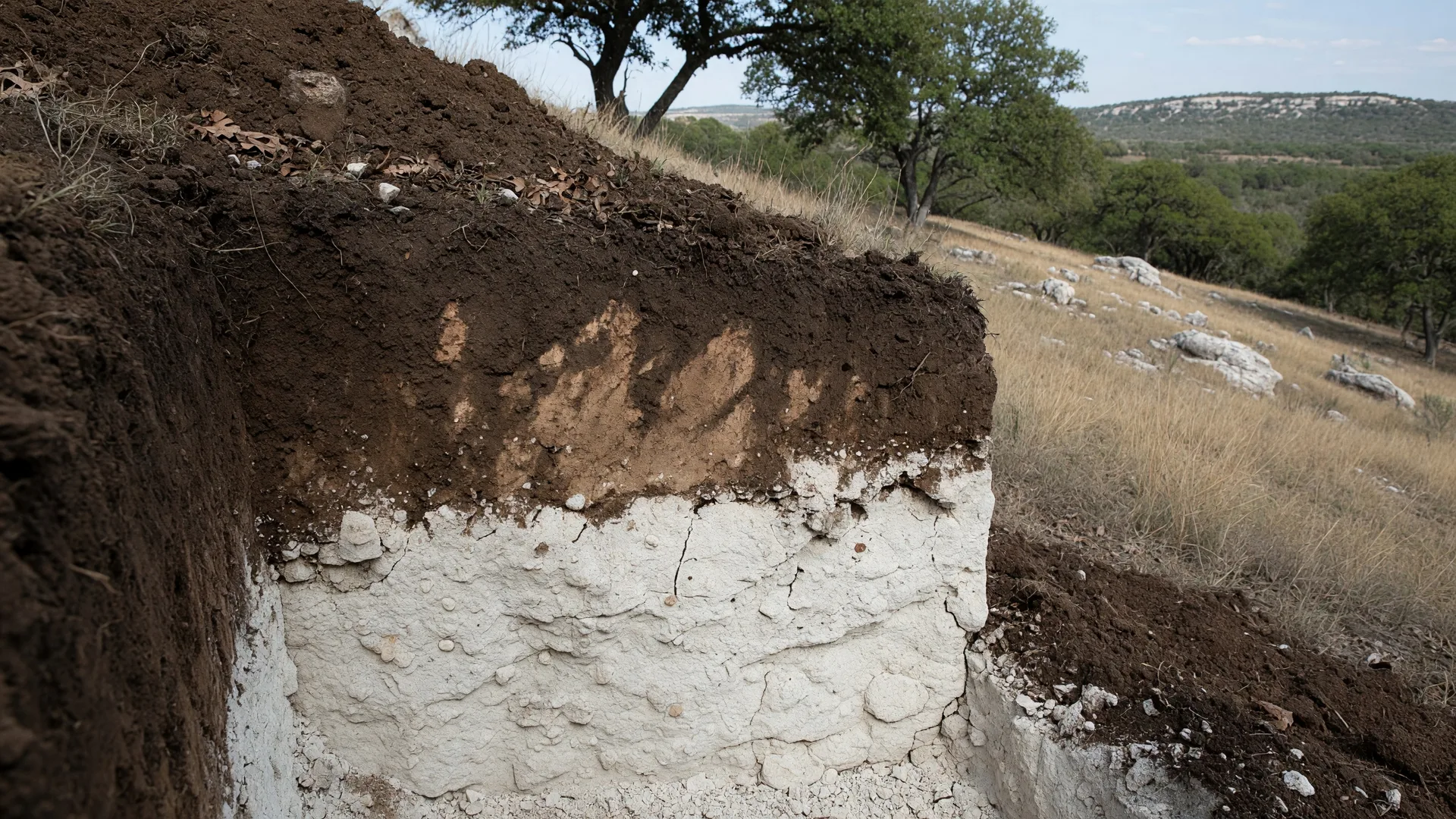
Published July 9, 2026
Caliche in the Texas Hill Country: What It Is, How It Formed, and How to Garden With It
Read Article
Published July 13, 2026
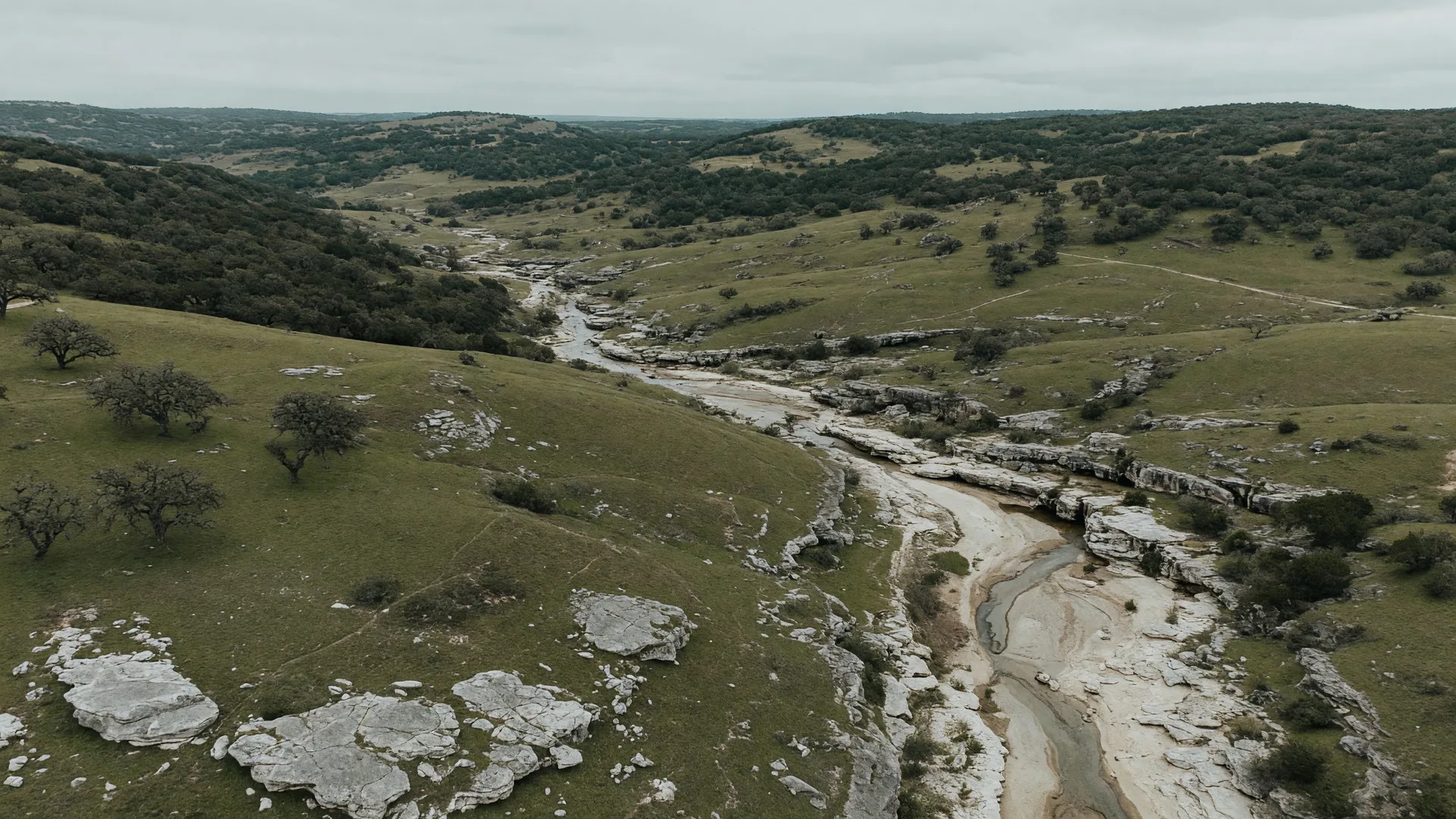
Flood Zones in the Texas Hill Country: What Every Buyer and Seller Needs to Know
The Texas Hill Country sits inside Flash Flood Alley — the most flood-prone region in the United States. FEMA flood zones along Cibolo Creek, the Guadalupe River, and their tributaries directly affect insurance requirements, property values, and closing costs. Here is how to read the maps, understand the zones, and avoid the most common mistakes buyers and sellers make with flood risk.
Read Article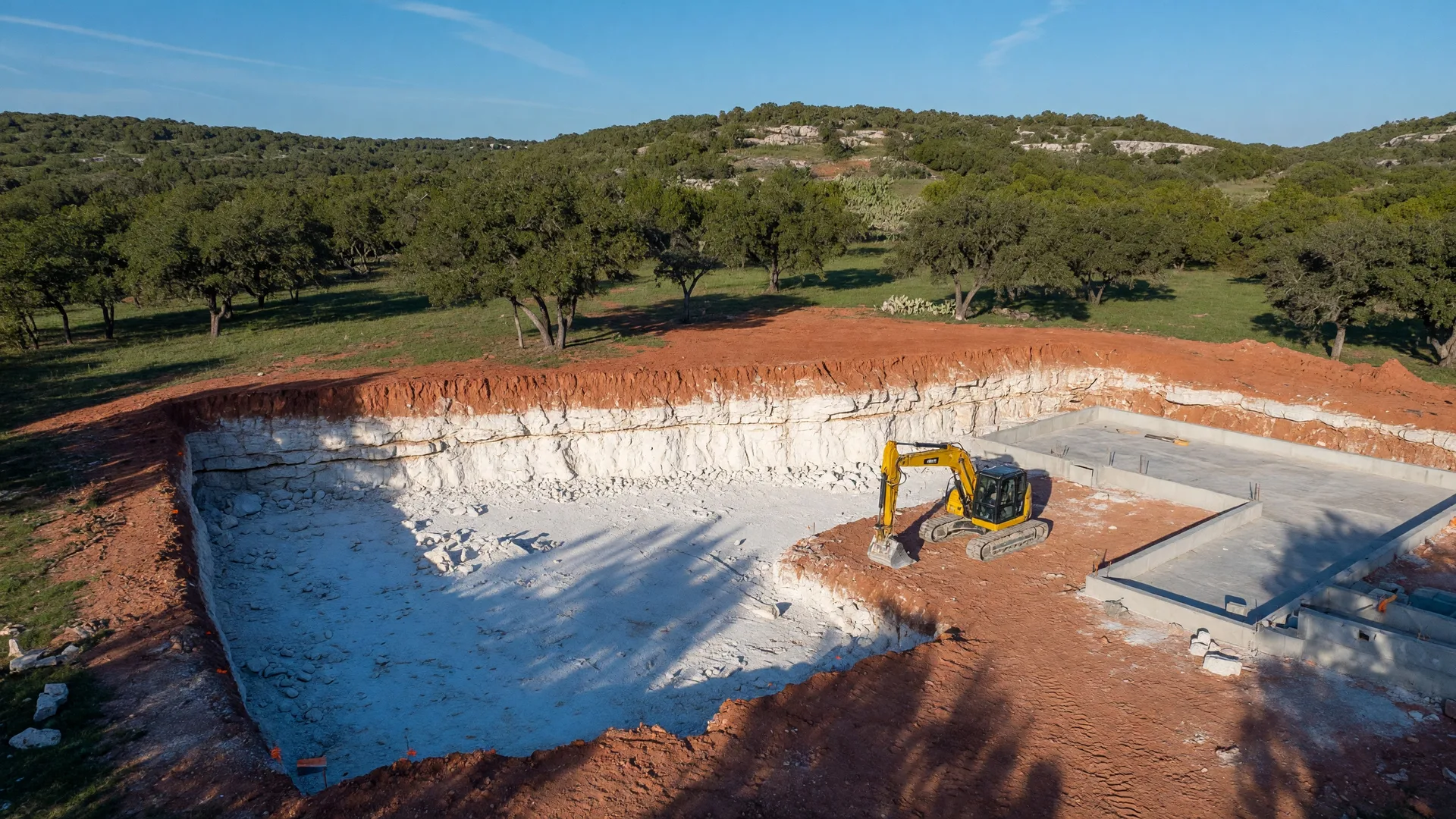
Published July 13, 2026
The Hidden Cost of Caliche and Limestone: What Hill Country Buyers Actually Pay for Geology
Caliche and limestone are the defining geological features of the Texas Hill Country — and the defining hidden cost of buying property here. From excavation and foundation work to fencing, driveways, and landscaping, the rock beneath your property directly determines what you will pay. Here is a detailed breakdown of the real costs, so there are no surprises after closing.
Read Article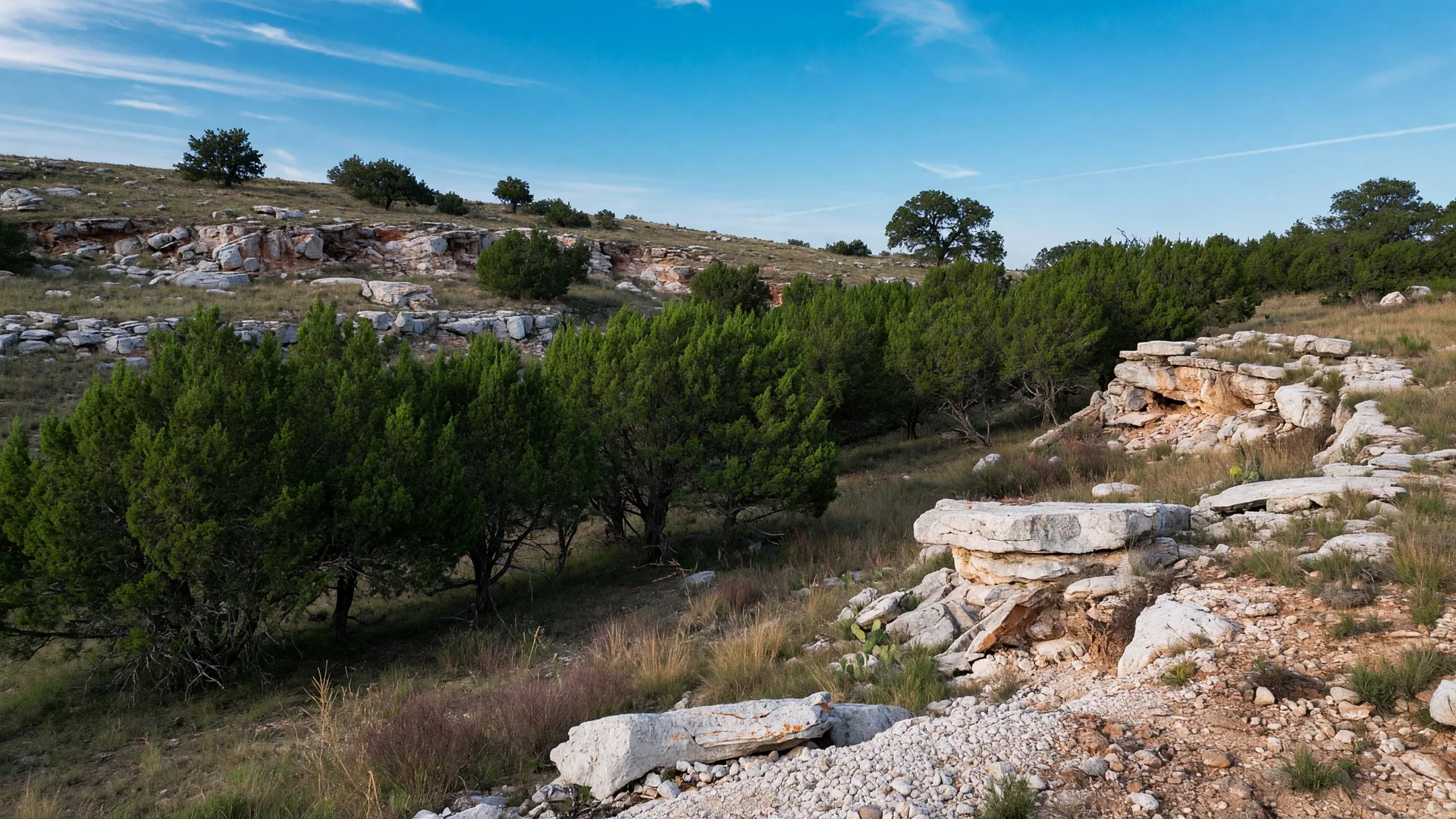
Published July 17, 2026
Land Clearing, Oak Wilt, and Rock Excavation: The Real Cost of Building New on Hill Country Acreage
Out-of-state buyers sometimes assume that inexpensive Hill Country acreage will be inexpensive to build on. In reality, clearing, rock excavation, drainage, foundation design and construction, water, wastewater, electric service, access, and environmental restrictions can add substantial costs before and during the earliest phase of home construction. This guide explains the major cost categories and due-diligence questions for raw land in Kendall, Comal, and Medina counties. The figures are preliminary planning allowances - not bids - and actual costs depend on the specific tract, proposed homesite, utility distances, geology, and permitting jurisdiction.
Read Article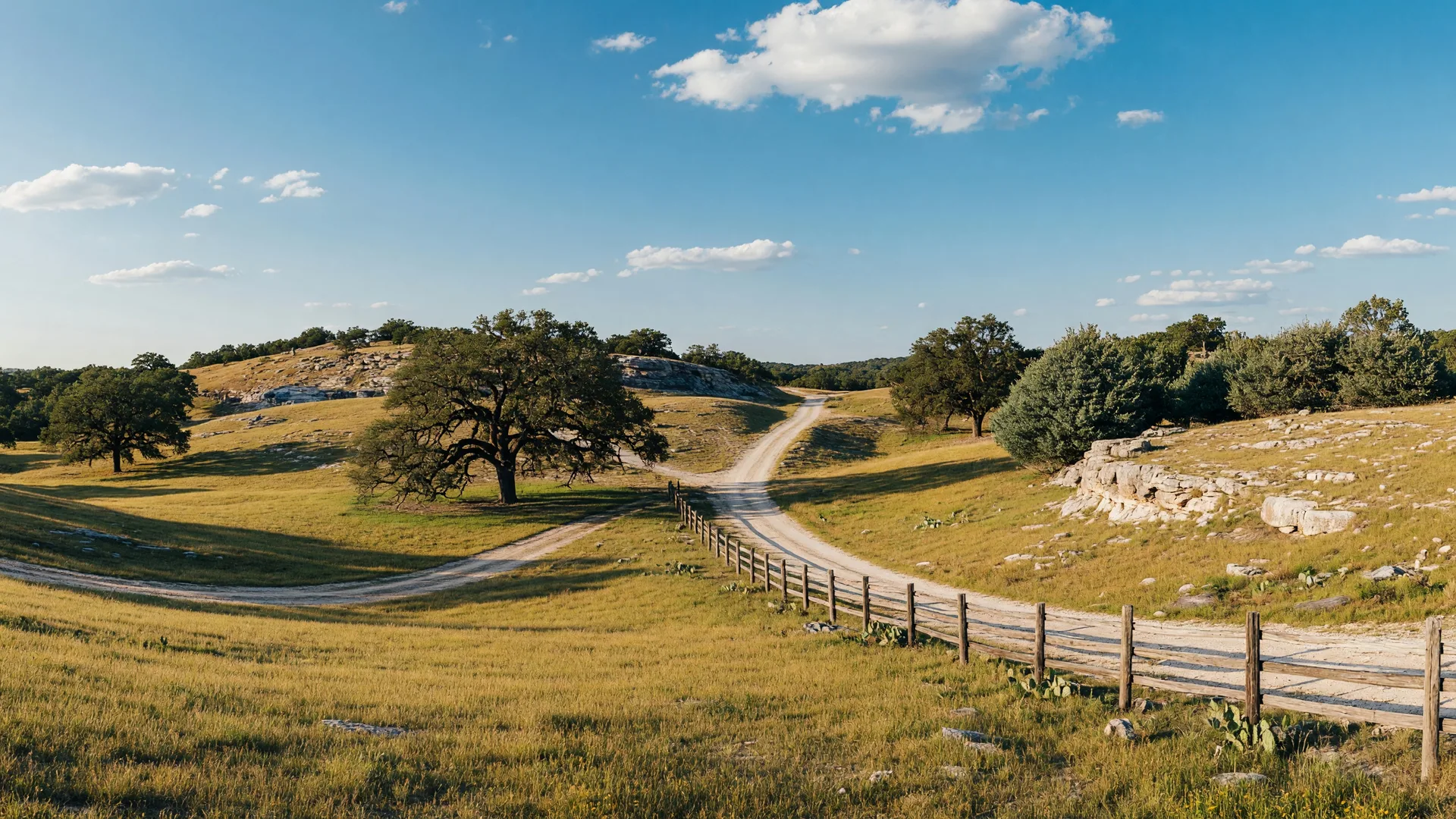
Published July 20, 2026
The Texas "Ag Exemption" Reality: Why 10 Acres Alone Does Not Guarantee Lower Property Taxes
On a 10-acre Hill Country property, the difference between market-value taxation and 1-d-1 agricultural appraisal can amount to thousands of dollars a year. But acreage alone does not establish eligibility, and an agricultural appraisal shown on the seller's tax record does not guarantee that the buyer's intended use will qualify.
Read Article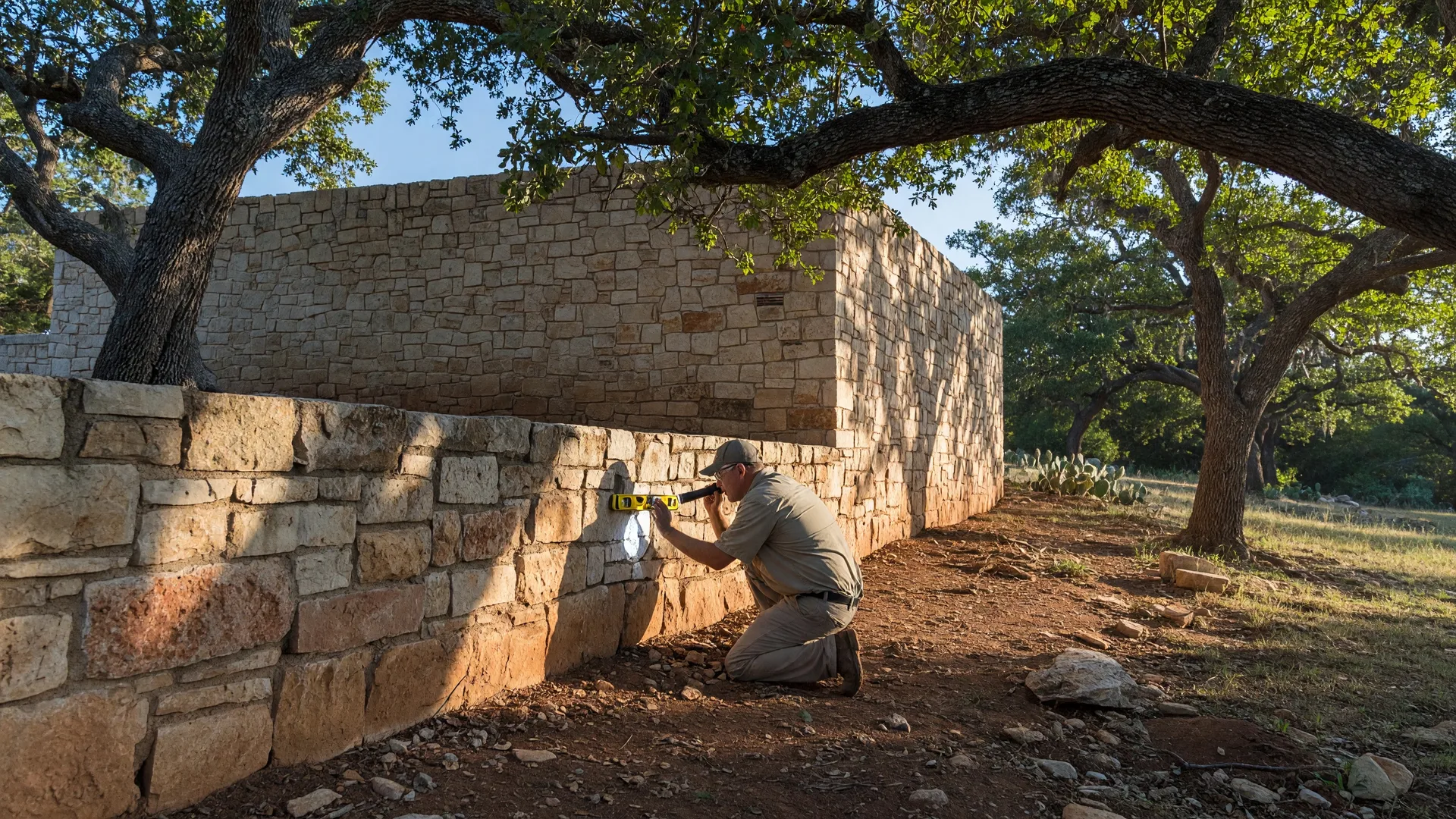
Published July 20, 2026
The Hill Country Home Inspection: What Out-of-State Buyers Miss When Buying Acreage
A standard home inspection in the Texas Hill Country is different from anywhere else. The issues that generate the most expensive repair estimates are specific to the region: foundation movement on karst limestone terrain, well water quality and yield, aerobic septic system maintenance, and drainage patterns that turn a light rain into a foundation repair.
Read Article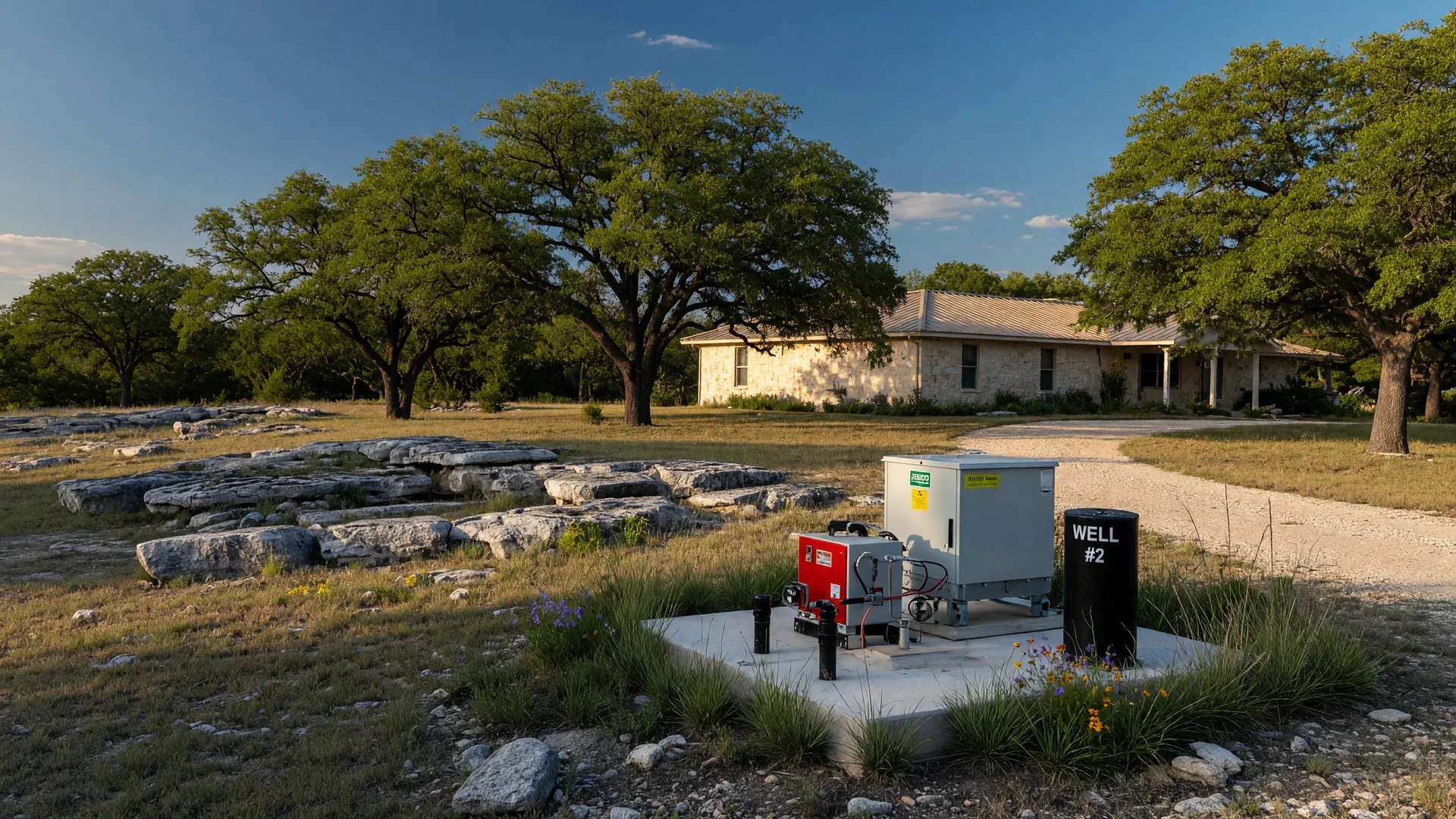
Published July 20, 2026
Understanding Well Depths and Aquifer Levels When Buying Hill Country Acreage
For Hill Country buyers who are not on municipal water, the well is the most critical infrastructure on the property. Understanding well depths, aquifer levels, and how to read a well completion report is not optional due diligence. This guide explains what the numbers mean, what red flags to look for, and how the Edwards and Trinity aquifers differ in yield and reliability.
Read Article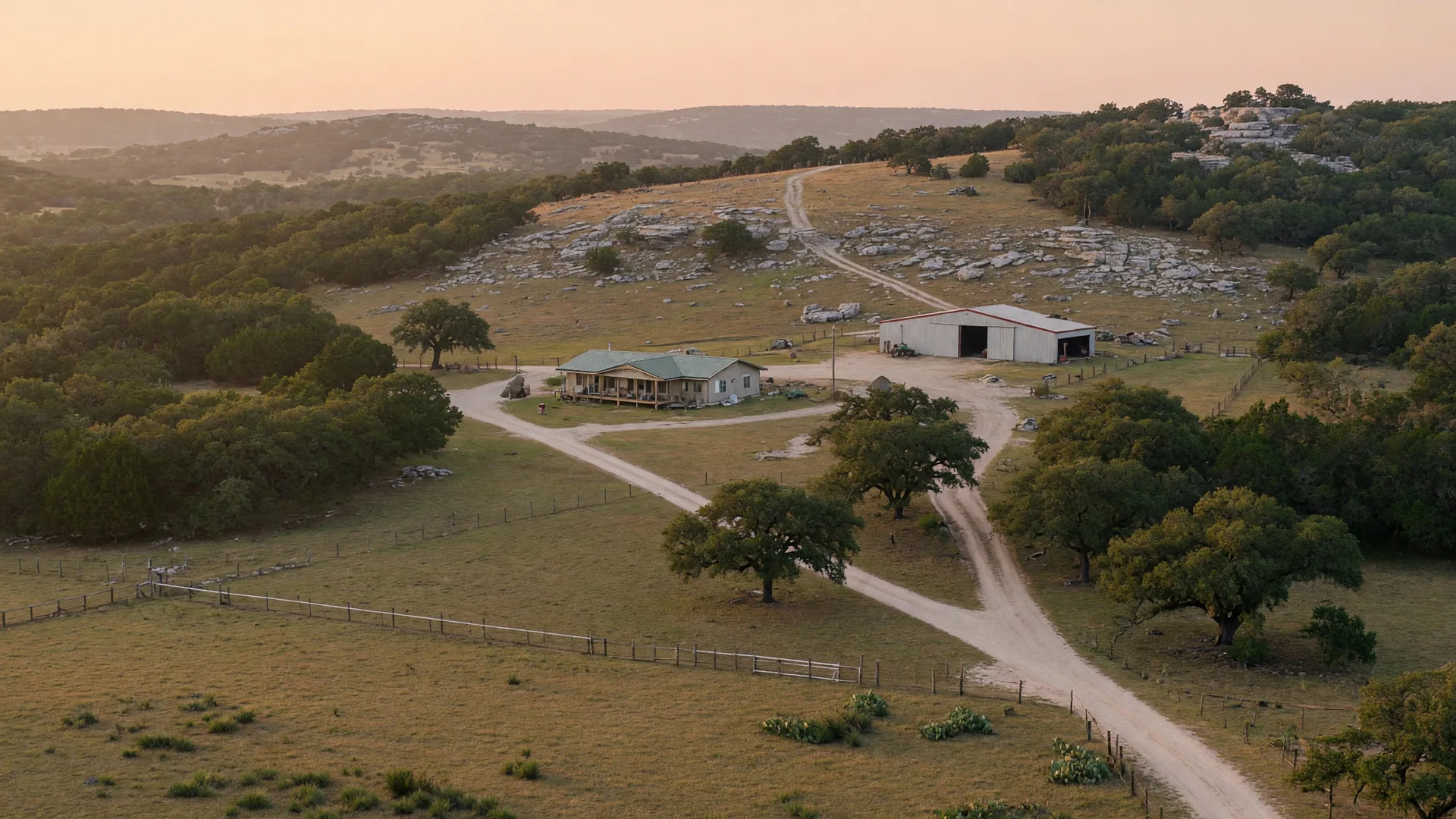
Published July 22, 2026
Before You Buy Texas Acreage: Deed Restrictions, HOAs, ETJs and the Uses That May Be Prohibited
Read Article